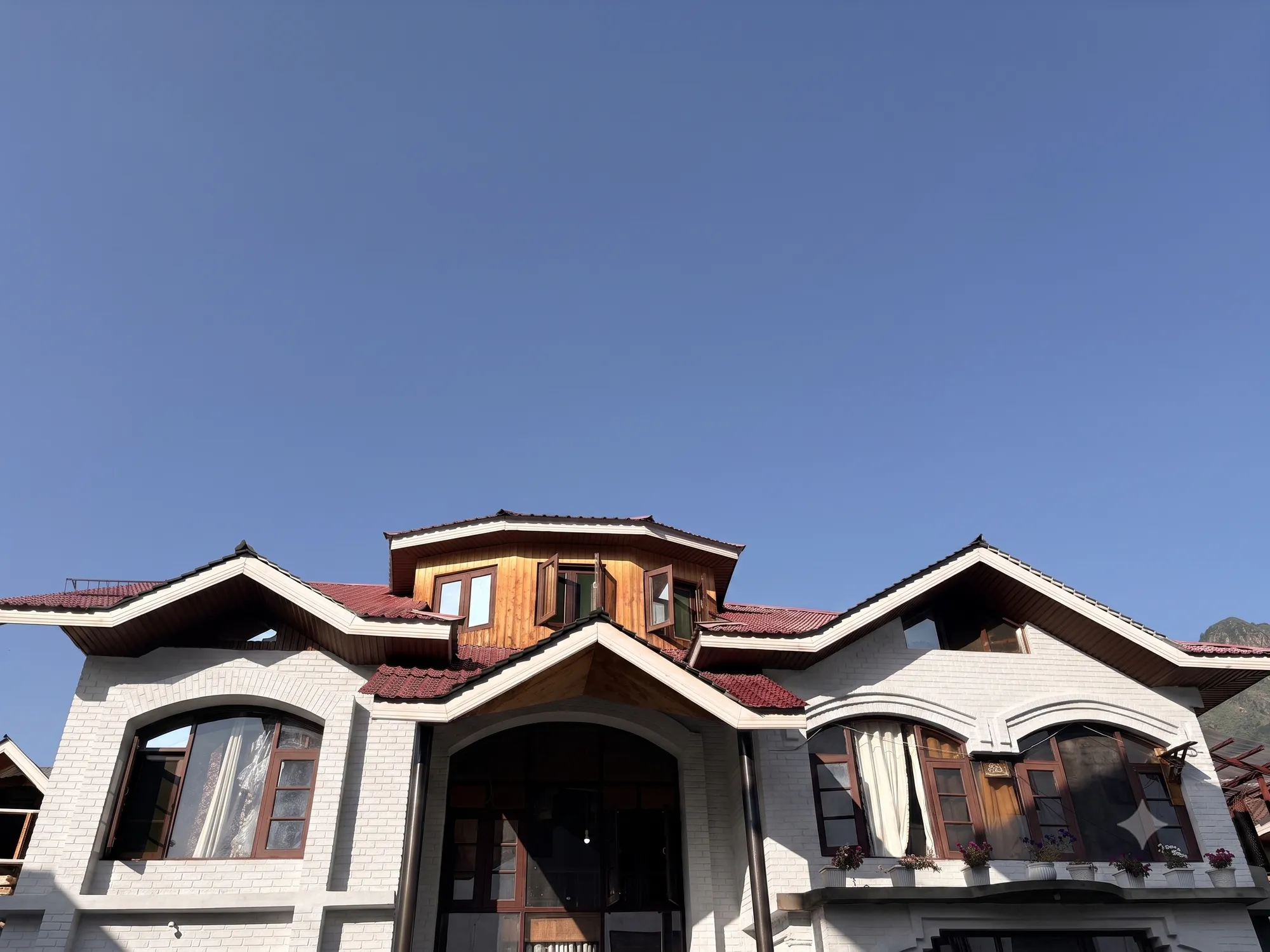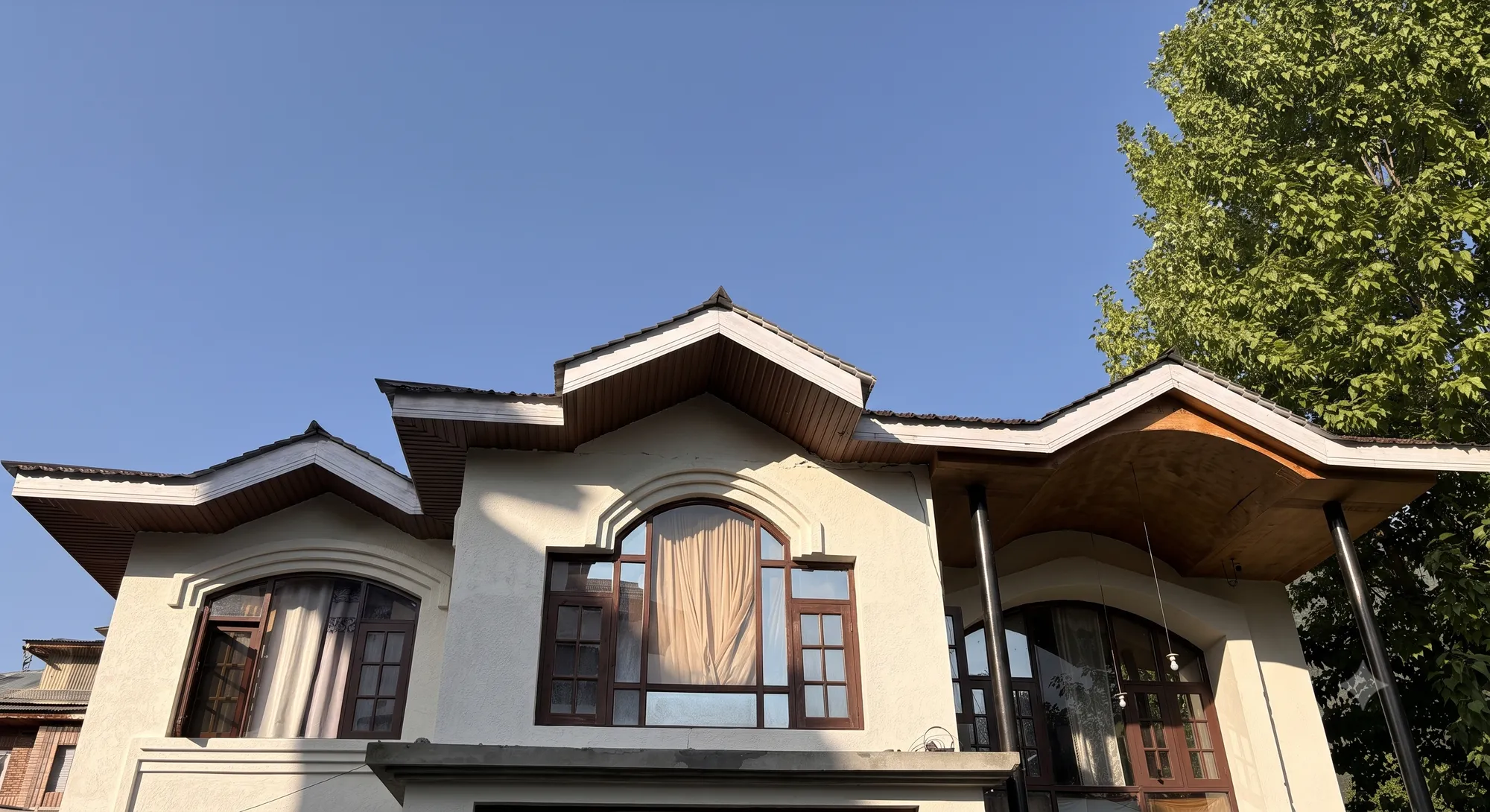
How to Choose the Right Materials for Building a Home: A Complete Step-by-Step Guide
Introduction
Every home is only as good as the materials it's built from. The framing holds it up, the roofing keeps water out, the insulation controls comfort and energy bills, and the finishes determine how it feels to live in every day. Yet most first-time builders and renovators choose materials based on whatever a contractor suggests or whatever looks good in a showroom — without a framework for evaluating cost, durability, climate fit, and long-term maintenance together.
Learning how to choose the right materials for building a home pays off in three concrete ways:
You avoid expensive rework. Materials mismatched to your climate or site (like the wrong siding in a humid region) often fail early and cost more to replace than they would have to install correctly the first time.
You control your budget with your eyes open. Understanding trade-offs between upfront cost and lifecycle cost lets you spend where it matters and save where it doesn't.
You build a home that lasts and holds its value. Durable, well-matched materials reduce maintenance, improve energy efficiency, and make a home more attractive to future buyers or appraisers.
By the end of this guide, you'll have a clear, repeatable process for evaluating and selecting materials for every major system in your home — from the foundation up to the finishes.
Prerequisites and Tools You'll Need
Before you start comparing materials, gather the following:
Architectural plans or a floor plan sketch — even a rough one helps you estimate quantities and identify which systems need decisions first.
A site survey or soil report, especially important for foundation material decisions.
Local building codes and permit requirements from your city or county building department.
Regional climate data — average rainfall, humidity, temperature swings, wind exposure, and seismic or flood risk for your area.
A realistic budget with a 10–20% contingency set aside for material price fluctuations.
A materials comparison spreadsheet or template to track cost, durability rating, maintenance needs, and supplier per material.
Physical samples or swatches of shortlisted materials (siding, flooring, roofing) whenever possible.
A list of two to three vetted suppliers or contractors per material category for quotes.
Optional but useful: a basic R-value chart for insulation comparisons and any local green building or Energy Star guidelines you want to follow.
Step-by-Step: How to Choose the Right Materials for Building a Home
Step 1: Assess Your Site, Climate, and Local Building Codes
Start with the conditions you can't change. Pull your local climate data — humidity, average rainfall, freeze-thaw cycles, wind, and sun exposure — and check your building department's code requirements for foundation type, fire rating, wind load, and energy efficiency in your zone. This step filters out materials that are technically appealing but wrong for your location before you spend time comparing them.
Expected outcome: A short list of material categories that are code-compliant and climate-appropriate for your region.
Step 2: Define Your Budget and Prioritize Trade-Offs
Decide your total materials budget and split it across major systems (foundation, framing, exterior, roofing, insulation, interior finishes). Then rank your priorities — for example, "durability over aesthetics" for the roof, but "aesthetics over cost" for interior flooring. This ranking becomes your decision filter for every step that follows.
Expected outcome: A budget breakdown by system, plus a written list of your top three priorities (e.g., cost, durability, sustainability).
Step 3: Learn the Core Structural Material Categories
Most homes are built primarily from wood, steel, concrete/masonry, or a hybrid of these. Understanding the basic trade-offs helps you talk to contractors and suppliers with confidence.
| Material | Typical Use | Pros | Cons | Relative Cost |
|---|---|---|---|---|
| Wood framing | Framing, some siding | Widely available, easy to work with, good insulator | Vulnerable to moisture, pests, fire | Low–Medium |
| Steel framing | Framing, structural supports | Strong, resists pests and fire, consistent quality | Higher cost, needs skilled labor, conducts heat/cold | Medium–High |
| Concrete/masonry | Foundation, walls | Very durable, fire-resistant, good sound insulation | Heavy, higher upfront cost, less flexible design | Medium–High |
| Engineered wood (LVL, I-joists) | Framing, beams | Strong, resource-efficient, dimensionally stable | Cost more than solid lumber, less repairable on-site | Medium |
Expected outcome: A working understanding of which structural category fits your budget, climate, and code requirements.
Step 4: Choose Foundation Materials
Foundation choice (poured concrete, concrete block, or slab-on-grade vs. crawlspace vs. basement) depends heavily on your soil report and local frost line. Concrete remains the standard for most climates due to its strength and moisture resistance. In areas with expansive or unstable soil, ask your engineer about reinforced or pier-and-beam foundations.
Expected outcome: A foundation type and material confirmed by a structural engineer or your soil report.
Step 5: Choose Framing Materials
For most residential builds, this comes down to wood vs. steel framing. Wood is more affordable and easier to modify later; steel offers better fire and pest resistance and is increasingly common in wildfire-prone or high-wind regions. Engineered wood products are a strong middle ground for long spans.
Expected outcome: A confirmed framing material aligned with your Step 1 climate/code findings and Step 2 budget.
Step 6: Choose Exterior Wall and Siding Materials
Common options include fiber cement, vinyl, wood, brick veneer, and stucco. Match this choice to climate first (humid regions favor fiber cement or brick over wood; dry, hot climates suit stucco well) and aesthetics second. Always check the manufacturer's warranty and maintenance schedule before committing.
Expected outcome: A shortlist of two siding materials with samples ordered for physical inspection.
Step 7: Choose Roofing Materials
Asphalt shingles remain the most cost-effective option; metal roofing costs more upfront but lasts significantly longer and performs better in snow, wind, and fire-prone areas; clay or concrete tile suits hot, dry climates. Weigh lifespan and warranty against upfront cost, not just the sticker price.
Expected outcome: A roofing material selected based on lifespan-per-dollar rather than lowest initial cost alone.
Step 8: Choose Insulation Materials
Compare fiberglass batt, spray foam, cellulose, and rigid foam board by R-value per dollar and by how they perform in your specific climate zone. Spray foam offers the best air sealing but costs more; cellulose is a budget-friendly, eco-conscious option with solid performance.
Expected outcome: An insulation plan meeting or exceeding your local energy code's minimum R-value.
Step 9: Choose Interior Finishing Materials
Flooring, drywall, countertops, and cabinetry are where personal style has the most room to show — but durability still matters, especially in high-traffic areas and kitchens/bathrooms. Prioritize water-resistant materials in wet areas and request samples for anything with a visible finish.
Expected outcome: A finalized interior finishes palette with ordered samples for the rooms that matter most to you.
Step 10: Weigh Sustainability, Energy Efficiency, and Long-Term Maintenance
For each shortlisted material, ask three questions: How energy-efficient is it? How long will it last with normal maintenance? Is it responsibly sourced or recyclable? Materials like fiber cement siding, metal roofing, and engineered wood tend to score well on all three fronts.
Expected outcome: A final materials list with a maintenance and expected-lifespan note attached to each item.
Step 11: Get Quotes, Compare Suppliers, and Order Samples
Request at least two to three quotes per material category. Compare not just price, but lead time, warranty terms, and installer availability. Order physical samples of anything you haven't seen in person before finalizing quantities.
Expected outcome: Written quotes and confirmed lead times for every major material category.
Step 12: Finalize Your Material List With a Professional
Review your full materials list with your architect, structural engineer, or general contractor before ordering. They can catch compatibility issues (like dissimilar metals in contact, which causes corrosion) and confirm everything meets code.
Expected outcome: A signed-off, code-compliant materials list ready for ordering and construction.
Troubleshooting Tips: Common Materials Mistakes to Avoid
Choosing based on price alone. The cheapest option often costs more over time through repairs and replacement. Calculate total cost of ownership, not just the purchase price.
Ignoring climate fit. A material that performs well in a dry climate can fail quickly in a humid or coastal one. Always cross-check against Step 1's climate data.
Skipping the local building department. Some materials or assemblies require special permits or aren't approved in certain zones. Confirm before you buy, not after.
Mixing incompatible materials. Dissimilar metals in direct contact (like aluminum flashing against steel fasteners) can corrode. Check manufacturer compatibility charts.
Underestimating lead times. Custom or specialty materials can take weeks or months to arrive. Order early to avoid stalling your build.
Skipping physical samples. Photos and swatches online rarely match in-person color, texture, and finish. Always request a sample before ordering in bulk.
Forgetting ongoing maintenance costs. A material with a low price tag but high annual upkeep (repainting, resealing, pest treatment) may not be the "cheap" option it appears to be.
Conclusion and Next Steps
Choosing the right materials for building a home comes down to matching each decision to four factors: your climate, your budget, your local codes, and how much maintenance you're willing to take on. Work through each system — foundation, framing, exterior, roofing, insulation, and interior finishes — using that same filter, and you'll end up with a home that performs well and holds its value for decades.
Next steps:
Finalize your materials spreadsheet and share it with your contractor or architect for sign-off.
Request formal quotes from your top suppliers and confirm lead times before your build schedule locks in.
Explore related guides: Real Estate Investment in Jammu & Kashmir: A Complete Investor's Guide and Building for the Terrain: The Importance of Seismic-Resilient Architecture in the Valley.